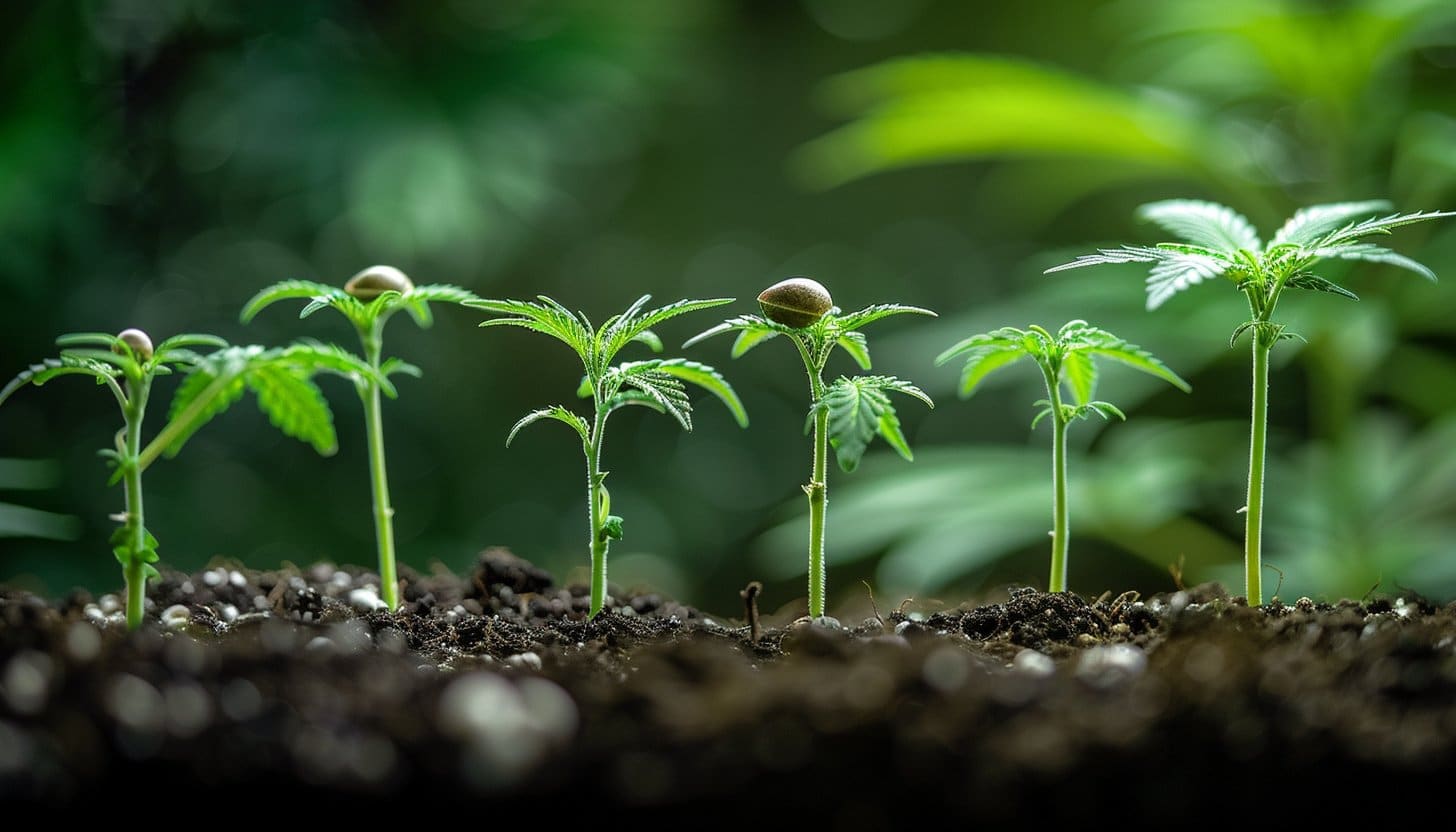
Germinating cannabis seeds is the first real step in growing a healthy plant. It’s the process of waking up the life inside the seed so it can sprout and grow. If this stage goes wrong, the plant may never recover. The good news is that germination is simple when you understand what seeds need and avoid common mistakes.
Success comes down to controlling the environment. Seeds don’t need fancy tools. They need warmth, moisture, and darkness in the right balance. Give them that, and they’ll do the rest.
Below is a clear guide to the best germination methods and why they work.
The Core Essentials for Germination
Before choosing a method, make sure your setup follows these basic rules.
- Temperature: Keep seeds between 70 and 85°F (21–29°C). Cold slows them down. Heat over 90°F can kill them.
- Moisture: Seeds should stay damp, not soaked. Too much water blocks oxygen and causes rot.
- Darkness: Roots hate light. Always keep seeds in a dark place until they sprout.
- Water quality: Use distilled, filtered, or RO water. If you use tap water, let it sit out for 24 hours so chlorine can evaporate.
- Genetics: Starting with high-quality cannabis seeds gives you stronger embryos, better germination rates, and healthier early growth.
These basics matter more than the method you choose.
Most Popular Germination Methods
There are a few proven ways to germinate cannabis seeds, and each one has its own benefits. Some methods let you watch the seed sprout, while others keep things simple and hands-off. Below are the most popular options growers use and when each one works best.
1. Paper Towel Method (Most Popular)
This method lets you see results fast. Moisten two plain paper towels so they’re damp, not dripping. Place seeds about one inch apart on one towel and cover them with the second towel. Put the towels between two plates or inside a loosely sealed plastic bag. Store them in a warm, dark spot. Check every 12 to 24 hours and keep them moist.
2. Water Soak Method (Best for Older Seeds)
The water soak method works well for seeds with hard shells. Drop seeds into a glass of room-temperature water and let them soak for 12 to 24 hours. If they float, tap them gently. Once a seed cracks or sinks, move it to a paper towel or soil. Do not soak longer than 48 hours, or the seed can drown.
3. Direct Soil Planting (Most Natural)
For the least stress, do direct soil-planting. Use light seed-starting soil or coco coir. Pre-moisten the soil, then make a hole about half an inch deep. Place the seed inside and lightly cover it. Do not press the soil down. Cover the pot with plastic wrap or a humidity dome to keep moisture in.
Advanced Tips for Better Results
A simple trick is adding one teaspoon of 3% hydrogen peroxide to a cup of water. This helps soften shells and reduces mold. If your home is cold, a seedling heat mat can make a big difference.
Never touch the white taproot with your fingers. Skin oils can damage it. Use clean tweezers and handle only the shell.
Timing and Troubleshooting
Most seeds sprout in one to four days. Older seeds may take up to two weeks.
If using paper towels, transplant once the taproot is about half an inch long. Always plant with the root pointing down. With patience and the right conditions, healthy sprouts will follow.
Once your plant has fully grown and developed buds, you need to harvest cannabis at the right time. Most growers watch the tiny resin glands, called trichomes, on the buds. When they turn from clear to cloudy, the plant is usually ready.
Use clean, sharp scissors to cut branches, then hang them upside down in a cool, dark space to dry slowly. Taking your time during harvest helps protect the work you put in from seed to sprout.
Related Posts